

 Posted by
 Click aquí para leer este post en español
Ashwagandha ( Withania somnífera ) is one of the most popular herbs in traditional Indian medicine, due to its numerous benefits. We already talked about it in our article about which supplements we recommend and which we don’t (we do recommend Ashwagandha), but we think it deserves its own article so we can expand a bit on both its benefits and the scientific literature that supports them.
These are the main benefits
- Stress and Anxiety Reduction
Ashwagandha has been shown to modulate the hypothalamic – pituitary -adrenal (HPA) axis , regulating the release of stress-related hormones including adrenocorticotropic hormone and cortisol. This study shows a significant reduction in both perceived stress levels and serum cortisol concentration.
- Improved Cognitive Function
Ashwagandha consumption has been found to improve memory, concentration, and overall cognitive performance. A recent study shows how an Ashwagandha extract significantly improved memory and attention in stressed adults, as well as their sleep quality and sense of well-being. There are also preclinical studies that have highlighted the neuroprotective effect of Ashwagandha against neurodegenerative diseases such as Alzheimer’s or Parkinson’s.
- Benefits for Sleep
Ashwagandha may also improve sleep quality. It has been shown to help people suffering from insomnia and improve overall sleep quality (see the studies referenced in the previous sections).
- Anti-inflammatory properties
Ashwagandha has demonstrated the ability to reduce inflammation by inhibiting inflammatory markers such as cytokines (e.g., IL-6 and TNF-α) and nitric oxide. Preclinical studies have shown that Ashwagandha root powder can decrease inflammation in animal models of autoimmune diseases, and there are also studies in humans with arthritis .
- Antioxidant properties
Ashwagandha has shown significant antioxidant activity, helping to neutralize free radicals and reduce cellular damage. Ashwagandha’s ability to reduce oxidative stress and inflammation may contribute to its beneficial effects on overall health , improving stress resistance and promoting mental and physical health.
- Increase in Muscle Strength
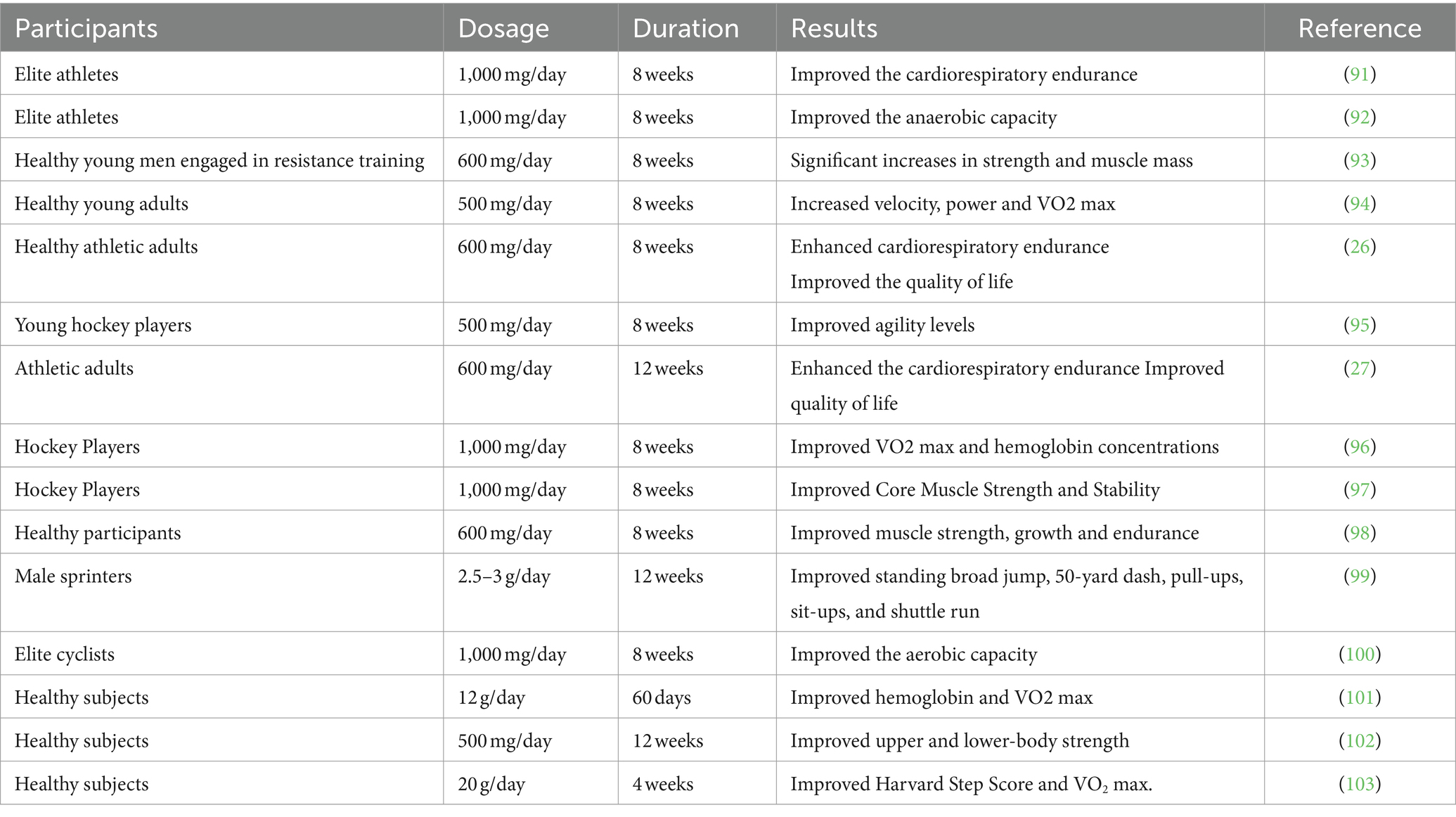
A study of 57 young individuals with no prior experience in strength training showed a significantly greater increase in progress in the group supplemented with Ashwagandha compared to the group supplemented with a placebo. The former group also showed lower rates of exercise-induced muscle damage, as well as significantly higher testosterone levels.
- Improving cardiovascular capacity
Different studies on different groups of individuals (both elite athletes and recreational athletes or non-athletes) showed improvements in aerobic capacity, hemoglobin and VO2max of individuals who supplemented with Ashwagandha compared to groups that were given a placebo.

Is it safe to supplement with Ashwagandha?
Ashwagandha is considered an adaptogen . This means that it meets the following conditions:
- Stress Reduction : It should help the body adapt to stress, normalizing physiological functions in situations of physical, emotional or environmental stress.
- Harmless and Safe : It must be safe for human consumption, with no significant negative side effects and no dependence or withdrawal symptoms.
- Stimulating Effect : It must have effects that stimulate the immune system and increase the body’s resistance to various types of stress.
- Do Not Disturb Bodily Functions : It should not negatively alter the normal physiological functions of the body.
- Scientific Evidence : There must be studies supporting its adaptogenic effects , showing its ability to improve stress response and promote overall well-being.
Types of Ashwagandha
There are different Ashwagandha extracts, and some may be more effective than others:
- KSM-66® : This is an Ashwagandha root extract that is standardized to contain 5% withanolides, active compounds believed to be responsible for many of its benefits. It is known for its high bioavailability and efficacy in reducing stress and improving cognitive function.
- Sensoril® : This extract combines both the root and leaves of the plant and is standardized to 10% withanolides. It has been used in studies showing benefits in reducing stress and improving overall health.
- Liquid Extracts : These may offer a concentrated form of Ashwagandha, allowing for more flexible dosing. However, quality can vary between manufacturers.
Conclusion
Ashwagandha is a versatile supplement that offers multiple health benefits, both physical and mental. Whatever your age and objectives are, we recommend you to at least give it a try and see how it works for you